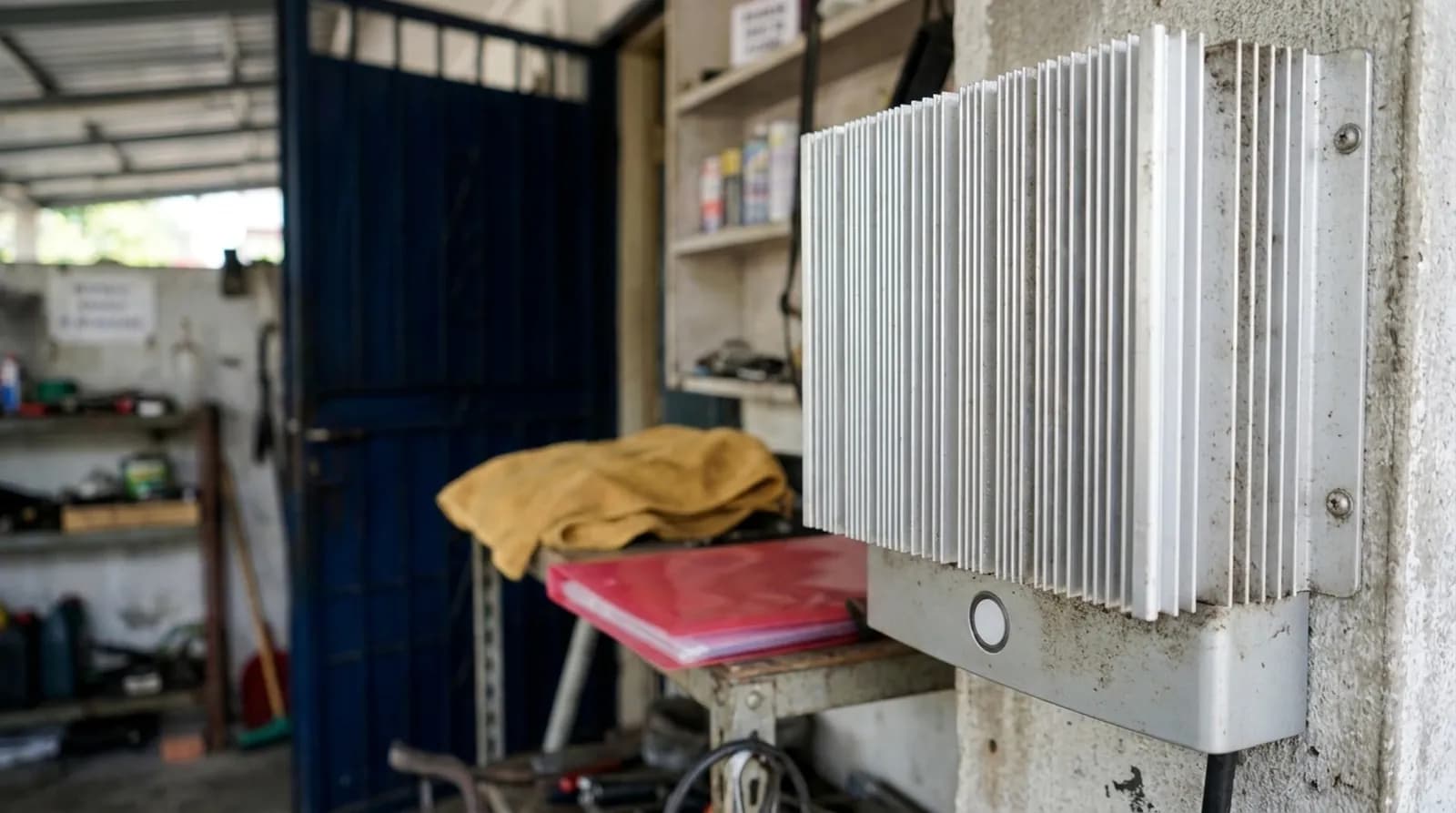
Solar panels get all the glory, but the inverter does the actual work. It converts DC power to AC power.
1. Huawei (The Smart Choice)
Pros: AI-powered arc fault protection, a detailed app (FusionSolar), and a 10-year warranty.
Cons: Slightly pricier.
Best For: Tech-savvy homeowners who want detailed analytics.
2. Sungrow (Value)
Pros: Robust build, high efficiency, and competitive pricing.
Cons: App interface is functional but basic.
Best For: Value-focused buyers.
3. SMA (Durability)
Pros: German engineering, durable build.
Cons: Expensive.
Best For: Commercial projects where uptime is critical.
Quick comparison on Trexon packages
| Inverter | Price vs standard | Inverter warranty | Supplied by Trexon |
|---|---|---|---|
| Solis (standard) | Included | 10 years | Yes |
| Huawei | +RM3,000 | 10 years | Yes |
| Sungrow | +RM5,000 | 10 years | Yes |
| SMA | Not offered | Per SMA | No |
Check each manufacturer's datasheet for efficiency figures before you decide.
Verdict
Trexon's residential packages use a Solis inverter as standard; Huawei (+RM3,000) and Sungrow (+RM5,000) are options, and we do not supply SMA. View our packages to see which inverter is bundled with each system tier, or check the full pricing breakdown to compare costs.
Still deciding between a string inverter and micro inverter? Read our complete String vs Micro Inverter guide — with real Malaysian pricing, shading analysis, and brand comparisons for 2026.