Model your project savings and peak-demand reduction
Calculate ROI4-STEPPROCESS
From initial consultation to ongoing optimization, our structured approach ensures successful energy efficiency implementation.Savings monitored and verified on an ongoing basis.
Initial Consultation
Understanding Your Needs
Outcome
Clear understanding of energy efficiency opportunities and next steps
Activities
- Site visit and facility walkthrough
- Review utility bills and energy consumption
- Understand operational requirements
- Identify pain points and objectives
- Preliminary opportunity assessment
- Budget and timeline discussion
Deliverables
- Preliminary assessment report
- High-level savings estimate
- Recommended audit level
- Project scope proposal
EE Implementation FAQ
What are the 4 steps in Trexon's energy efficiency implementation process?
Trexon's structured 4-step process covers the full project lifecycle: Step 1 is Initial Consultation (1-2 days) — site walkthrough, TNB bill review, and opportunity assessment to define project scope. Step 2 is Energy Audit and Analysis (2-8 weeks) — detailed sub-metering, load profiling, and financial modeling with GITA eligibility assessment. Step 3 is Implementation (2-6 months) — professional installation, commissioning, and staff training. Step 4 is Monitoring and Verification (ongoing) — real-time EPMS monitoring, M&V reporting, and continuous optimization to track savings against your baseline.
How long does the full energy efficiency implementation take from start to finish?
Total timeline depends on project complexity. A straightforward LED retrofit with power factor correction can be completed in 6-10 weeks (2-week audit, 4-6 weeks implementation, 2-week commissioning). A comprehensive project including HVAC upgrades, BMS installation, and solar integration typically spans 6-12 months. The audit phase is critical — rushing the energy audit risks undersizing or mis-specifying equipment, reducing savings potential. Trexon schedules all implementation work to avoid peak production periods and works in phases where operational continuity is essential.
Do you need to stop operations during energy efficiency implementation?
Most energy efficiency implementation work occurs without stopping operations. LED lighting retrofits, power factor correction panels, and sub-metering installations are typically completed zone-by-zone during normal operating hours. HVAC work — including AHU fan replacements and chiller upgrades — is scheduled during planned maintenance shutdowns or after-hours/weekends to avoid production disruption. BMS commissioning requires brief system access but not full facility shutdown. Trexon's project managers work with your operations team to create a phased schedule that minimises production disruption.
What measurements and data are collected during the energy audit phase?
During the audit phase, we collect comprehensive energy data across all major systems. Sub-metering captures kWh consumption and kW demand at 15-minute intervals for each major load circuit (HVAC, lighting, process equipment, utilities). Power quality analyzers measure voltage, current, power factor, and harmonic distortion at the main incomer and sub-panels. Thermal imaging identifies heat losses, pipe insulation failures, and electrical hotspots. HVAC performance testing records chiller COP, AHU airflow rates, duct leakage, and refrigerant charge. This data feeds into calibrated energy models that estimate the savings.
How does post-implementation monitoring work and what does it cost?
Post-implementation monitoring uses Trexon's EPMS (Energy Performance Monitoring System) platform, which provides real-time dashboards, automated monthly savings verification reports, and alerts when performance deviates from targets. The data can support reporting under the Energy Efficiency and Conservation Act 2024 (EECA) for facilities that fall within it. Monitoring and verification (M&V) services are quoted per facility.
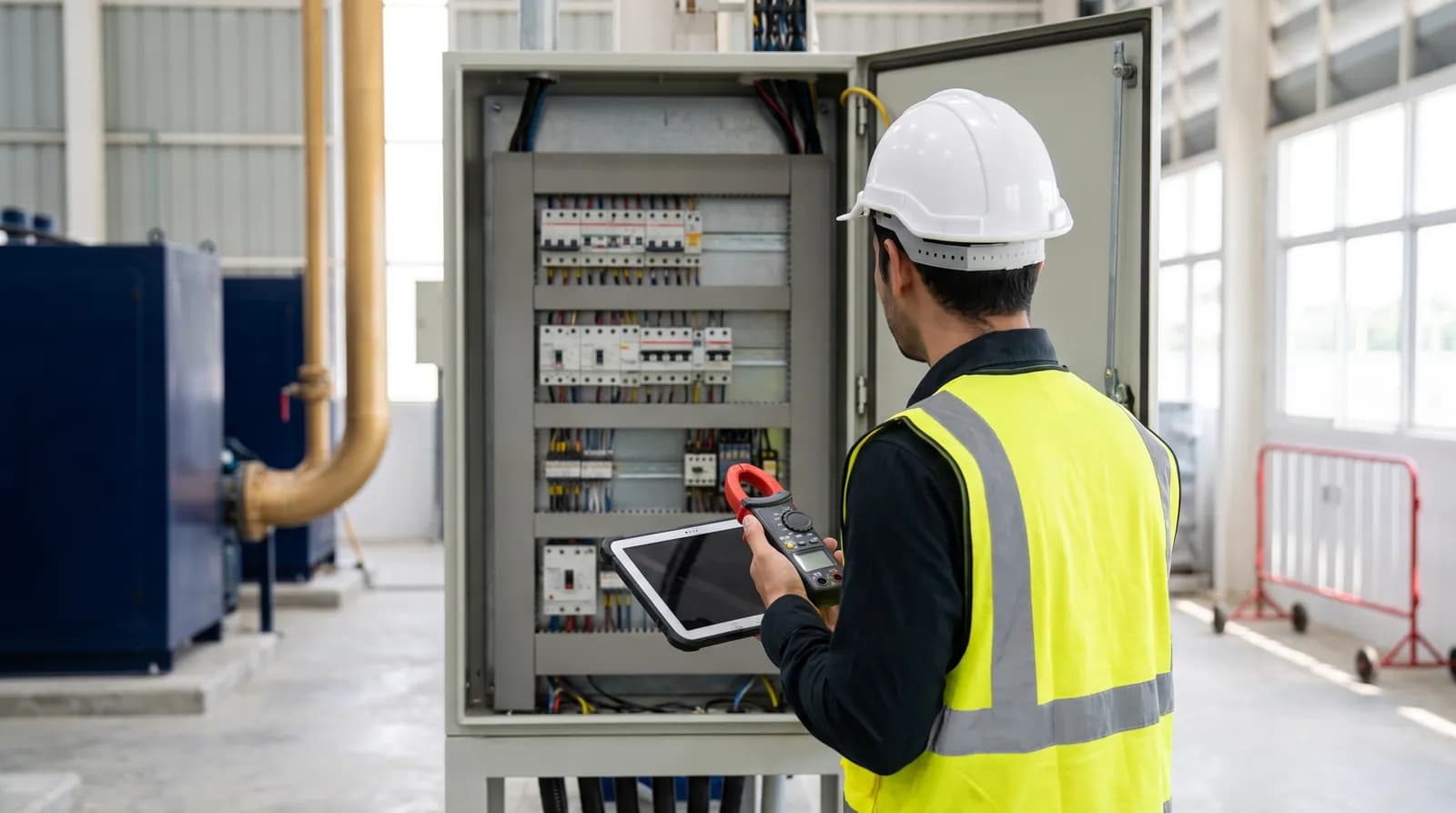
WHY OUR PROCESS WORKS
Expert Team
Energy auditors and experienced engineers
Data-Driven
Sub-metering and continuous monitoring for verified savings
Verified Results
Savings measured and reported against your baseline
READY TO BEGINYOUR JOURNEY?
Get a free quote and start your energy efficiency transformation today.
Explore Energy Efficiency Solutions
Get an EE Process Proposal
Tell us about your facility and we'll guide you through our EE process.
- Sizing from your 12 months of TNB bills and shift pattern
- Roof, switchboard and single-line diagram reviewed by our engineers
- Available incentives (GITA for solar, subject to MGTC verification) and Solar ATAP eligibility checked for your premises
- SEDA-registered PV Service Provider (RPVSP-2026/373) · SSM 201301044881 (1074704-D)
Prefer to talk first? Message our commercial team on WhatsApp.
WhatsApp Us